Tuesday, September 27, 2016

Entry 3: Observations and analysis of Bernard’s character development and its relationship to his historical basis of Karl Marx and communism in Brave New World by Aldous Huxley
Bernard Marx’s character arc is one of Brave New World by Aldous Huxley’s defining factors. It’s revealed early that Bernard is considered an outcast in society. He is smaller and physically inferior than other Alpha Pluses and acts strangely in comparison to the majority of people, for he doesn’t take Soma, has unorthodox ideas, is antisocial, and likes solitude. Most people consider him an outsider and treat him with reproach and less respect than they would someone else of his social standing. This frustrates and angers Bernard as he battles his inner thoughts in favor of fitting in and still doesn’t see the results he wants. The turning point for Bernard’s character is when he returns from the New Mexican reservation with John and Linda in the tenth chapter. Everyone’s interest in John, or ‘the savage,’ is in part directed towards Bernard who lets the fame and fortune go to his head immediately. When these are abruptly taken from him he is initially very angry and frustrated again but then turns his attentions to more pressing matters. By the end of the novel, Bernard appears to have found a place where he belongs: an island where those who doesn’t quite fit the mold of society are sent. The change in his character from resentful, self entitled, and lost to being, in some ways, apologetic, concerned for others, and open minded shows the character’s journey and development over the course of the novel.
Image result for bernard brave new worldImage result for karl marx


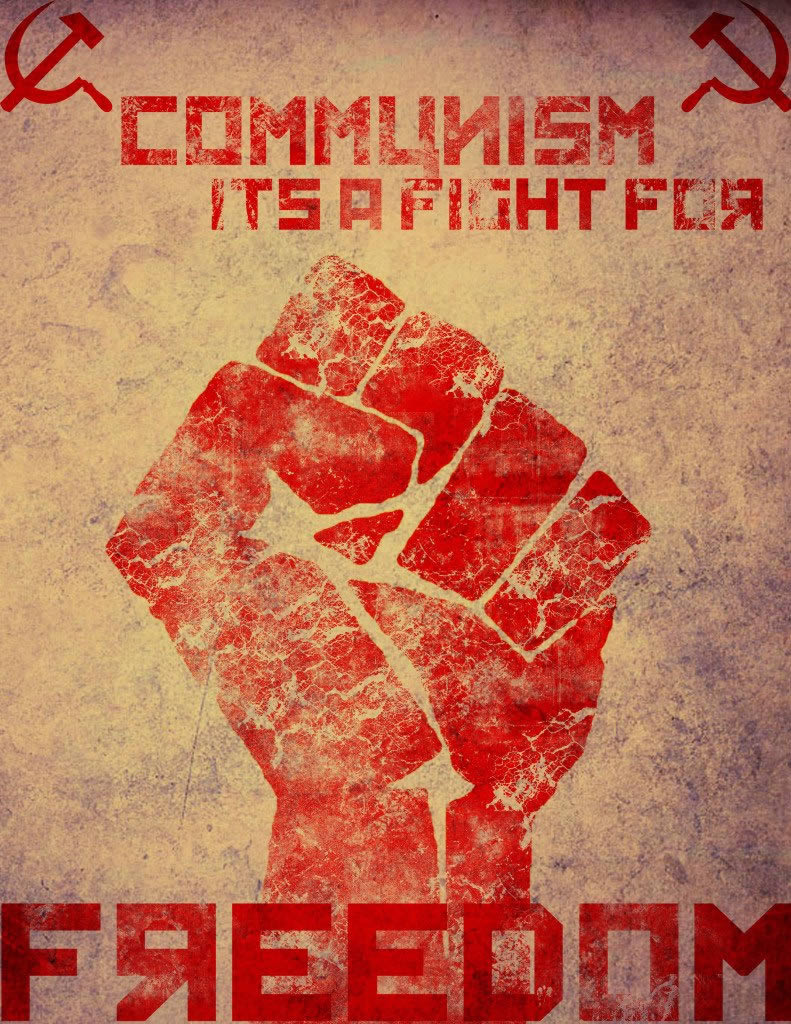
In certain ways, Bernard’s character rivals the historical figure he was likely based on, Karl Marx. While Karl Marx,the founder of communism, believed that the lower classes would revolt and cause revolution while Bernard Marx enjoys luxury, fame, and status. However, some similarities can be drawn between the two. For example, some aspects of fascism and communist ideals are embodied by Bernard and the society he lives in. The idea that “Everyone belongs to everyone else.” (Page 37, Chapter 3) can be likened to the communist ideals of not owning property and doing things for the good of the state, not the individual. Additionally, communism and fascism show itself in Brave New World’s society through the complete government control and manipulation of government, people, conditioning, Soma, culture, media, and information. These parallels were likely included on purpose to serve as a sort of warning or commentary, which is a key aspect of dystopian novels, on the subject of communism which was a pressing topic at the time.
Image result for anti communist propagandaImage result for communist propaganda

Monday, September 19, 2016

Entry 2: Commentary on the Reservations, Linda’s story, and John’s entrance into society in Brave New World by Aldous Huxley
The details of the reservations are revealed by the character known as the Warden. He is described as “a mine of irrelevant information and unasked-for good advice.” and it is stated that “Once started, he went on and on- boomingly.”(page 67, Chapter 6) but the information gleaned from his explanations are actually quite beneficial to the reader’s comprehension of the reservations and what they represent. When the Warden describes the reservation, he does so with tones of horror, disgust, and amazement. He recounts several facts about the reservation such as that no one can escape, people are born naturally, their society is devoid of the rest of the world’s technological advancements, they know not exactly how many people live inside, they maintain the traditions of marriage and Christianity there, and there is very limited contact between those who live there and everyone else. This summary shows great likeness between life on the reservations and reality: life in the reader’s world. To a reader, reservations may seem normal or even pleasant, but to a character who is a member of the industrialized society that encapsulates most of the world, this way of life is comparable to savagery and potentially inhuman living.
Image result for reservation brave new worldImage result for reservation brave new world
Upon entering the reservation, the characters Bernard and Lenina undergo a number of exploits, one of which is meeting Linda. Linda is the girl the Director spoke of in the story of his ventures in the reserve that he told to Bernard earlier in the chapter. She absolutely despises the reservation and is elated to see Lenina, exclaiming that she never thought she’d see a ‘civilized’ person again as she fawns over her clothes, appearance, and lifestyle. Her life in the reservation has been a struggle. Having not grown up there, she isn’t accustomed to their way of doing things; everything is different in the reservation. She misses her old life and is disgusted with the one she leads now. She and her son have been treated poorly by others due to their being outsiders. Linda hates her life, the place she lives, and the people around her. Lenina reacts to Linda with bewilderment, reproachfulness, and antipathy. She also pities her, and is unsure of how to handle the situation and conversation between them.
Image result for john brave new world

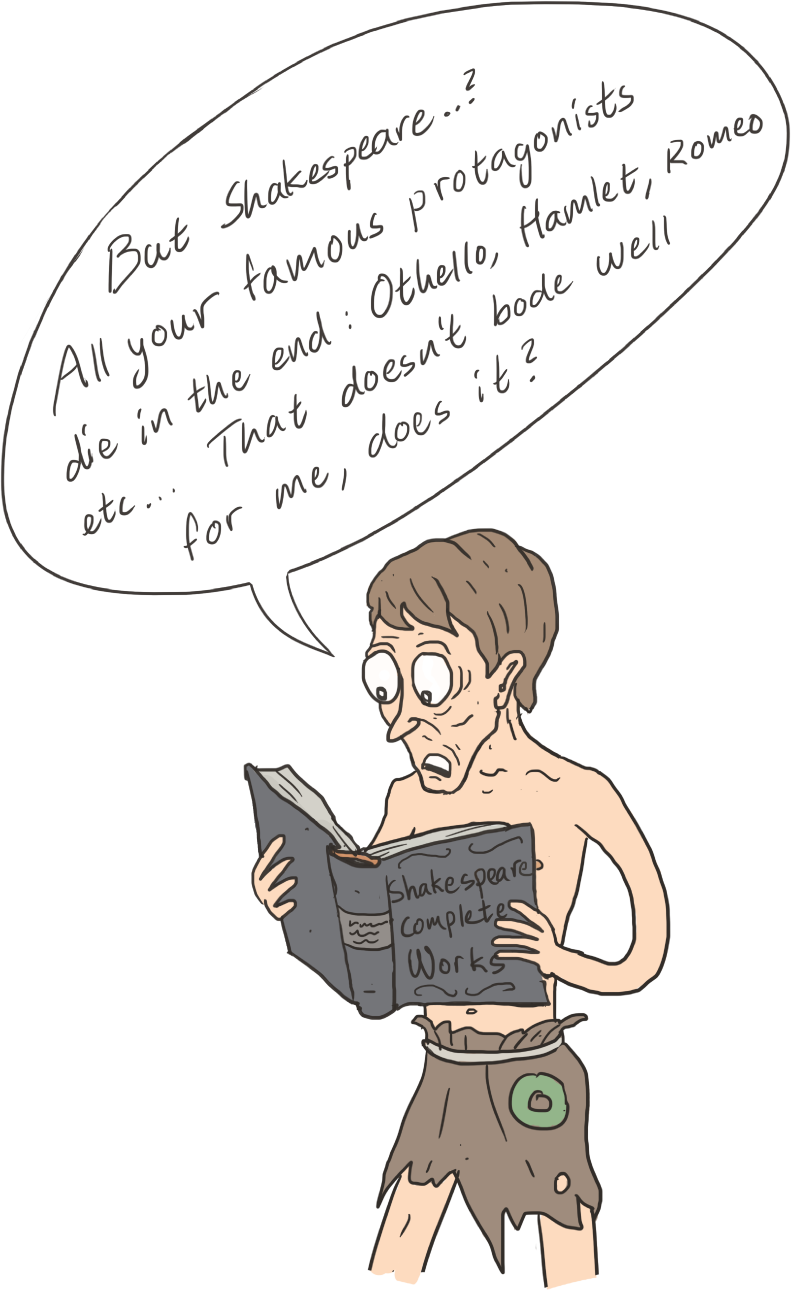
John is the name of Linda’s aforementioned son, and his upbringing was particularly tough. His mother was involved with several men, which was customary for her but frowned upon in the reservation. She was also drinking, distant, and abusive. He still looked up to her and wanted answers from her, and loved her stories about the world that she was from. He was at constant battle with the culture of his mother and the society he lived in, feeling like he truly belonged to neither. He was discriminated against and given different opportunities and treatment than the other children, which bullied him mercilessly. His education was limited to his mother teaching him to read and expanding that skill by getting a copy of Shakespeare’s works. He also wasn’t very well adapted to the common skills of those who lived on the reservation having been an outcast until someone decides to start teaching him. When he is taken to the outside society, he becomes something of a celebrity and is thrown into a completely different culture and world full of technology he has never seen and ideals he doesn’t share. It takes time for him to adjust and he becomes overwhelmed by the pressures of his famousness as well as his feelings for Lenina but continues to be himself and take it in stride as best as he can.
Image result for john brave new worldImage result for john brave new world
Entry 1: Analysis of World State’s Motto in Brave New World by Aldous Huxley
Image result for world state motto
“A SQUAT grey building of only thirty-four stories. Over the main entrance the words, CENTRAL LONDON HATCHERY AND CONDITIONING CENTRE, and, in a shield, the World State’s motto, COMMUNITY, IDENTITY, STABILITY.” Is the very first thing said on the first page of Aldous Huxley’s novel Brave New World. The placement of this motto at the very beginning of the book shows its importance in the context and setting of the story which warrants it thorough understanding and attention from the reader. It’s clear that the motto ‘Community, Identity, Stability’ is a part of the brainwashing going on in this society. The meaning that its creators likely wished to convey is the need for each person, the importance of knowing who you are, and the concern for a stable society. This is potentially to hide the fact that almost none of these virtues are truly present in this world. The use of Community could be to indoctrinate the idea of serving the greater good and ignoring individual needs into the minds of the people. Community is often about finding your place among your neighbors and peers and being an important piece of the group. However, in this society, these roles are assigned to people even before their birth, and there is little to no individuality that would make each person a unique and pivotal part of a community. This feeds directly into the fallacy behind the Identity part of the motto. People’s identities are being predetermined for them by “World Controllers;” they are telling them their identity and leaving no room for them to change it. There is total management of each person’s being, in personality, intelligence, and physical capabilities, and people are meant to know their place. I think that the word Stability is in the motto to reassure people of its necessity and importance. It conditions people to consider stability and order as greater than freedom, individuality, and even the natural processes of life, which is necessary if the government in place is going to stay in power.